

This post is kind of a warm-up — think of it as a little reading list before we dive deeper. I wanted to share a few articles that I find both fascinating and important, and I think they might help you get a better sense of the world that Sonic Waves is going to explore in the future!
Tracing the Roots: Queer History in Pop Music
First of all, the relationship between Gen Z queer pop musicians and popular culture will be one of the main focuses of this blog. But before we get into conversations about today’s musicians, it’s worth remembering that the connection between music, gender, and identity didn’t just appear overnight — it’s always been there. LGBTQ+ artists, especially queer women and trans women, have been shaping the sound and storytelling of American pop for decades.
Let’s start by exploring A brief history of queers and trans women in American music. From the underground scenes of the past to today’s mainstream stages, contemporary queer pop is actually a continuation of a long history of resistance, creativity, and self-expression.
Alright — continue reading, and maybe even listen to a song recommended in the article as we go.
Big Feelings, New Language
There’s another big piece of the puzzle I want us to look at: Gen Z pop itself. Every generation has its own soundtrack — its own way of telling stories and expressing what it feels like to be young right now. And ours? We’re rewriting the emotional language of pop music.
Sometimes I think the songs that hit us hardest are the ones that don’t try too hard — the ones that feel raw, honest, vulnerable. Maybe that craving for realness comes from the “growing pains” we’re all still processing. Either way, it’s why so much Gen Z pop feels like a punch straight to the heart.
This piece from The Guardian captures that perfectly — it explores how artists like Olivia Rodrigo have reinvented the power ballad for a generation that’s constantly caught between too many feelings and nowhere to put them.
Maybe this is a good time to put on an Olivia Rodrigo track and let yourself feel all of it.
Icons!
Now we’re getting to the really exciting part (well, at least I’m excited) — I want to bring some of these iconic artists and the deeper meanings behind their music into the spotlight, so we can dig into the stories that make their work so powerful.
Starting with the “Midwest princess” who just wrapped up stunning shows in New York City — Chappell Roan. Her meteoric rise isn’t just a personal career success; it’s also a sign of how queer voices are gaining new power and visibility on the mainstream pop stage. The rise of Chappell Roan: How this Midwest princess and overnight music icon became the voice of the LGBTQ community
Her live shows are more than just concerts — they’re public celebrations of queer joy, deeply meaningful spaces where identity and community come to life.

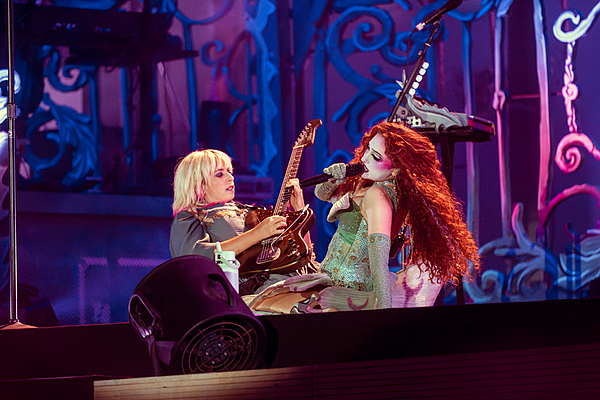
Next up is another Gen Z powerhouse, one who’s sparked countless conversations and controversies: Billie Eilish. How Billie Eilish became the voice of Gen Z? Her success reveals a major shift in Gen Z’s values around gender, identity, and authenticity — and shows how those values are reshaping what it even means to be a “pop star.”
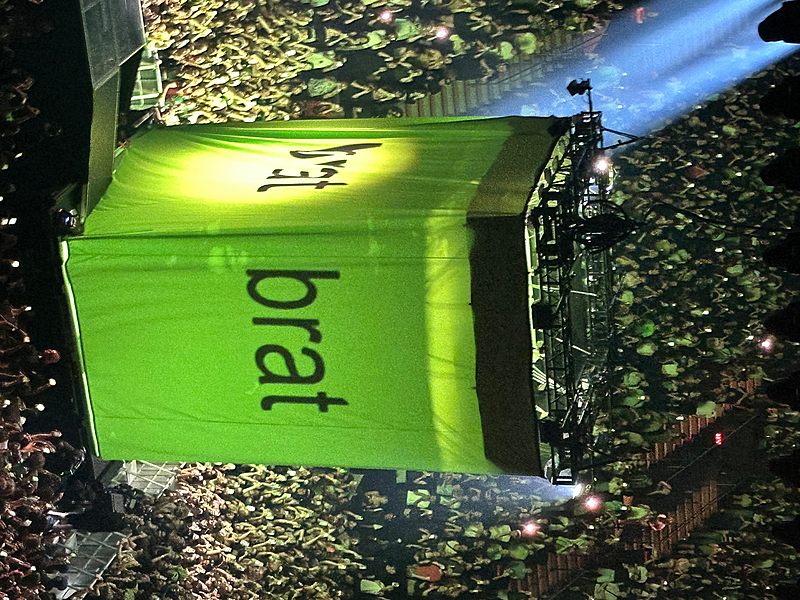
And of course, we have to talk about the “Brat summer.” Charli XCX’s Brat is more than just an album — it’s a full-on cultural phenomenon, reflecting how our generation is redefining aesthetics, language, and social attitudes.
If you’re curious to discover more, here’s a list of 15 queer musicians making waves today — artists who are bringing fresh stories, new sounds, and different perspectives to the pop landscape, and expanding the boundaries of what “representation” can mean.
Fans and Cultural Power
I’ve also been thinking a lot about whether this blog can carry a deeper meaning beyond my own enjoyment and research interests. Maybe it can spark resonance — or even debate — among people like me who are interested in music, identity, self-expression, social issues, and pop culture as a field of study. And that, to me, already makes it meaningful.
In the same way, I believe that the impact of pop music doesn’t only come from the artists themselves — it also comes from the listeners. We’re not just “consumers.” Maybe we, too, can become participants and agents of change — part of the voice of our generation. Why do I think that? This article offers some fascinating insights: The Best Organizing Strategy You’ve Never Heard Of: Why Fan Activism Has the Power to Change Our World Radically.


 Layla Yan
Leave a reply to claire wang Cancel reply