
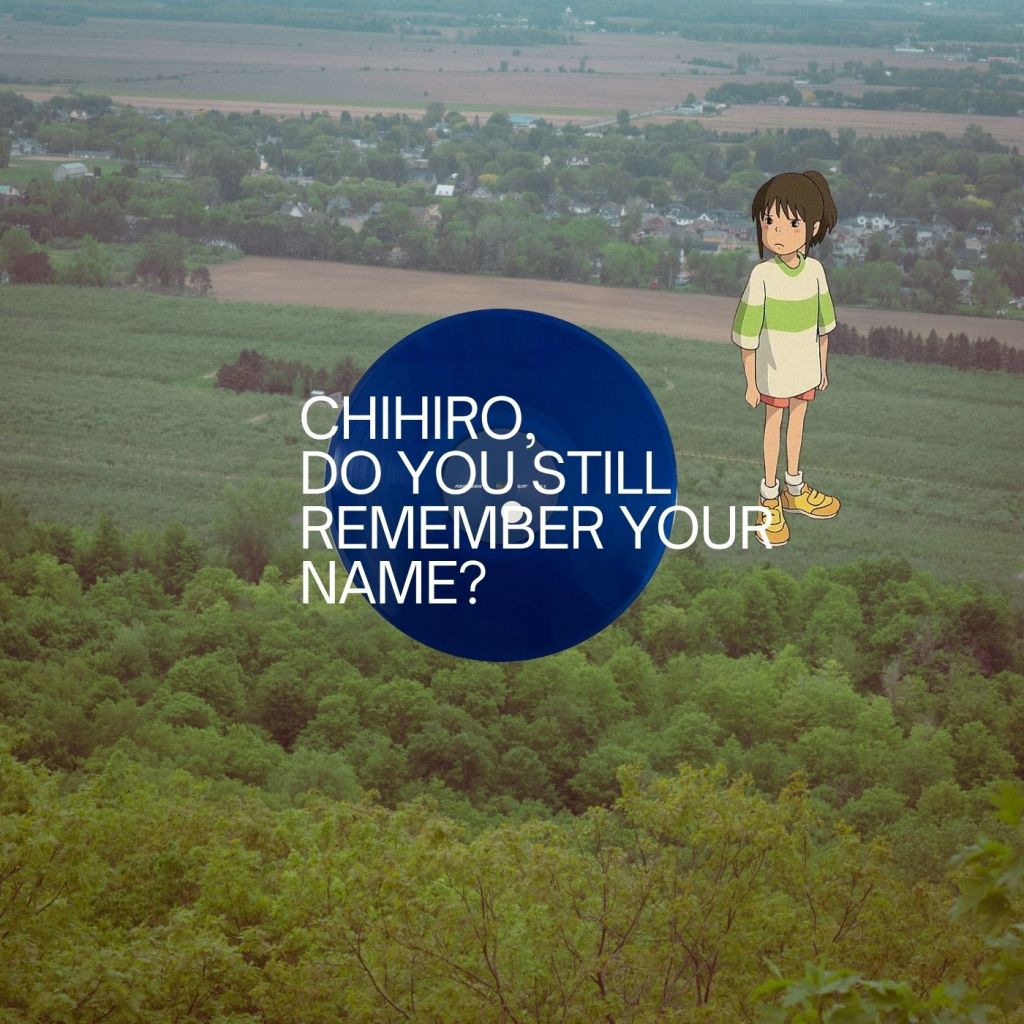
A Story Between Chihiro and CHIHIRO

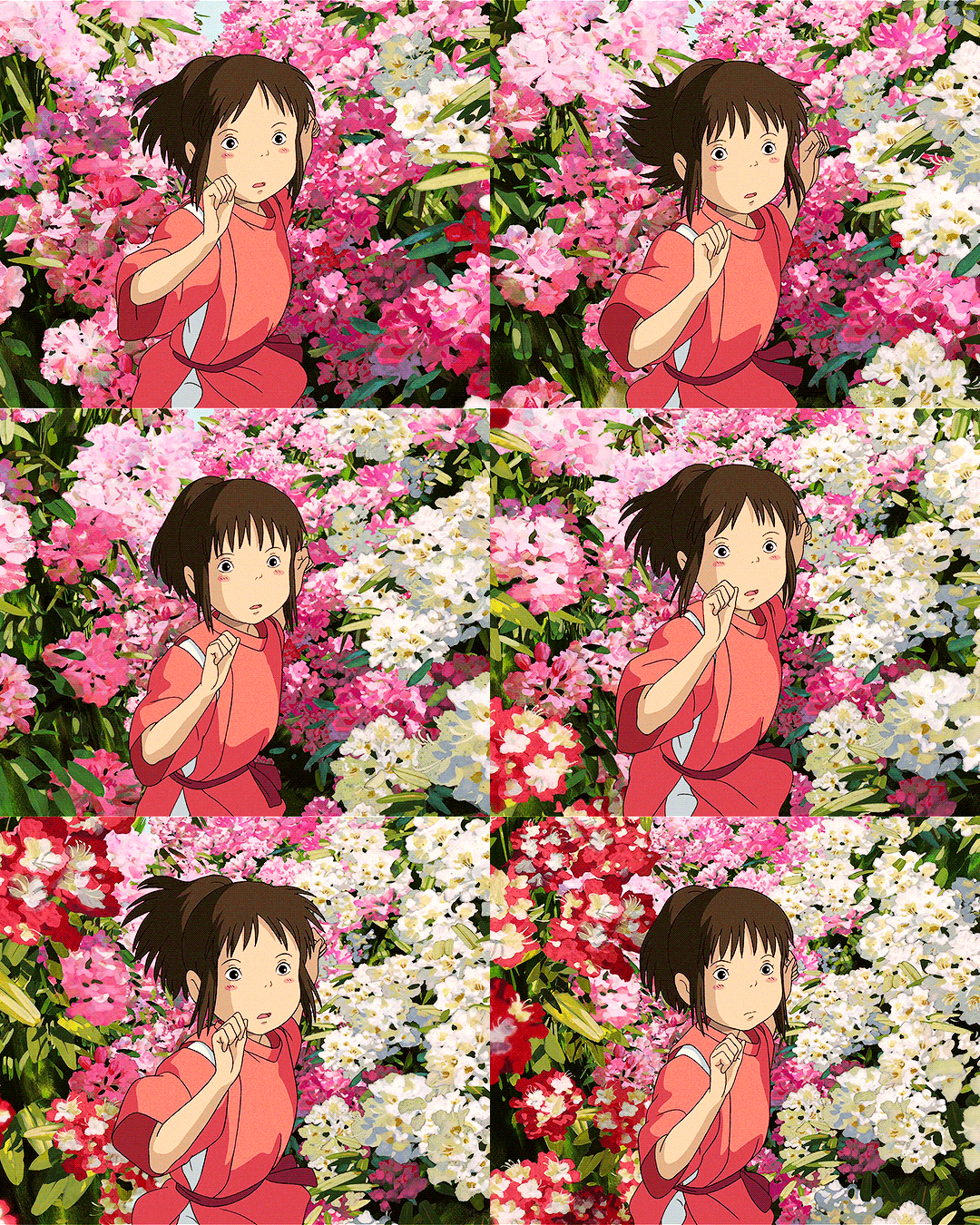

In 2024, I followed Billie Eilish’s 「HIT ME HARD AND SOFT 」 tour to three different cities — and yes, please don’t laugh at me for being a superfan; it was purely a series of coincidences! At every show I attended, the opening song was always the same: 「CHIHIRO」,the third track from her 2024 album.
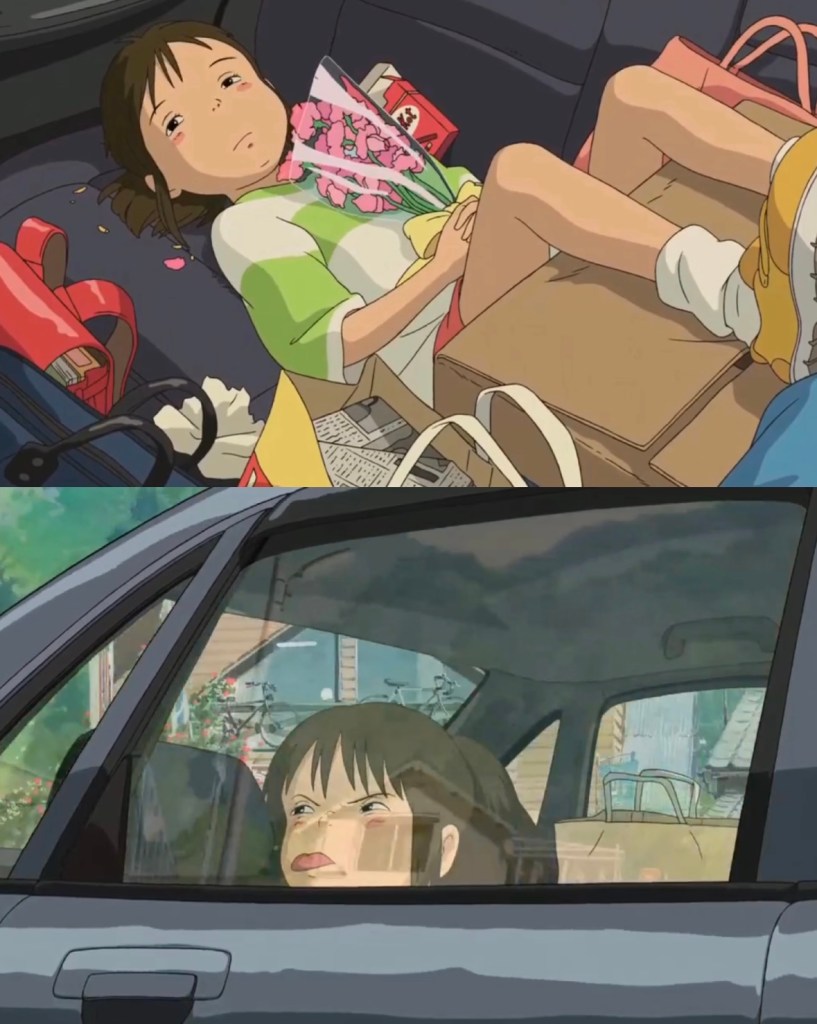
I’m not sure if you’ve ever watched Hayao Miyazaki’s iconic animated film Spirited Away (2001), but the main character’s name is also “Chihiro” This is no coincidence. In interviews, Billie has mentioned how much she loves the film, and that this song was inspired by it: “It’s kind of from her point of view, mixed with mine.”
So, how does this song connect with the story of that Japanese animated classic?
If you haven’t seen the film before, here’s a background to help you follow along: Spirited Away Ending, Explained
Briefly, Spirited Away tells the story of Chihiro, a young girl whose parents are cursed and transformed into pigs. Lost in a world of spirits drawn from Japanese folklore, she ends up working in a magical bathhouse and, with the help of her only friend Haku, tries to rescue her parents and find a way back home.
For the best experience, I suggest listening to the song as you read — let yourself drift into the “spirit world” that Billie and Chihiro weave together through music.
Our Fear — The Loss of the Authentic Self
I want to focus the connection between this film and Billie’s song on one central idea: the search for one’s authentic self — the most original, purest version of ourselves, untouched by external expectations or pressures.
One of the most intense and recurring tensions throughout Spirited Away is whether Chihiro can remember her name. In the spirit world, Yubaba steals everyone’s names, and Chihiro initially loses hers and becomes “Sen.” Once a person forgets their name, they become completely lost in that world — unable to return, unable to remember who they are.
Lostness, sinking, drifting, loneliness, water —
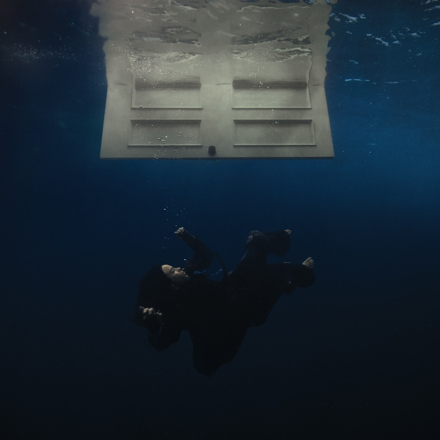
These sensations are the emotional landscape of Billie’s entire album, and they mirror how Chihiro feels after being pulled into the spirit realm.
Billie’s Chihiro also begins from this very place of disorientation — the fear of being forgotten, or perhaps the deeper fear of forgetting oneself.
she also sings:
It sounds like a question directed toward someone else, but I’ve always felt it is also a question turned inward: If my identity and my capacity to love are stripped away, does the “me” that remains still exist?
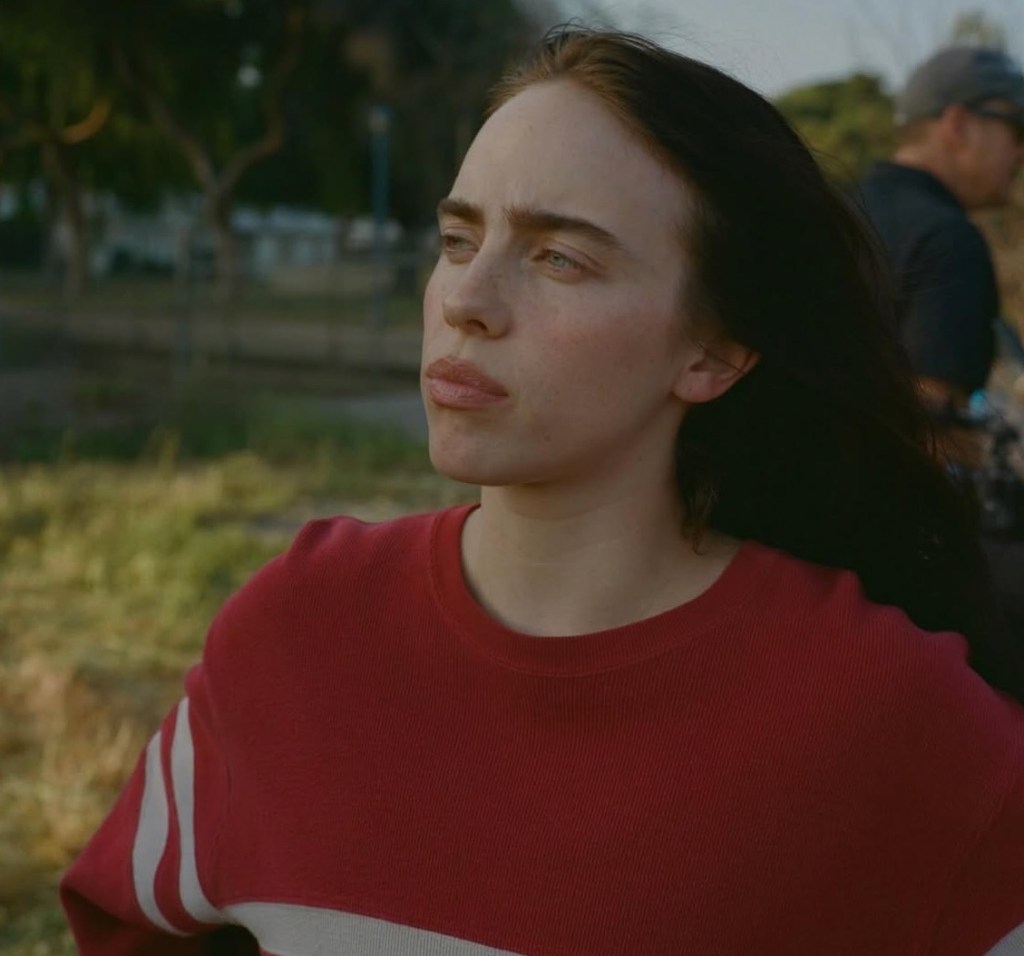
Gen Z understands this too well — it reflects a kind of quiet, unspoken vulnerability that lives deep within us, a layer of thought we rarely show to the world.
Billie conveys this emotion not only through lyrics but also through production. The muffled kick and bass that run through the track, the expansive spatial reverb, and Billie’s signature, almost lethargic, chant-like vocals make the song feel as though it’s floating in a void. As the track progresses, the initially light textures are gradually wrapped in layers of heavy synthesizers and ambient sounds — like passing through a long, dark tunnel and emerging lost in another world.
What awaits beyond? It’s completely unknown.
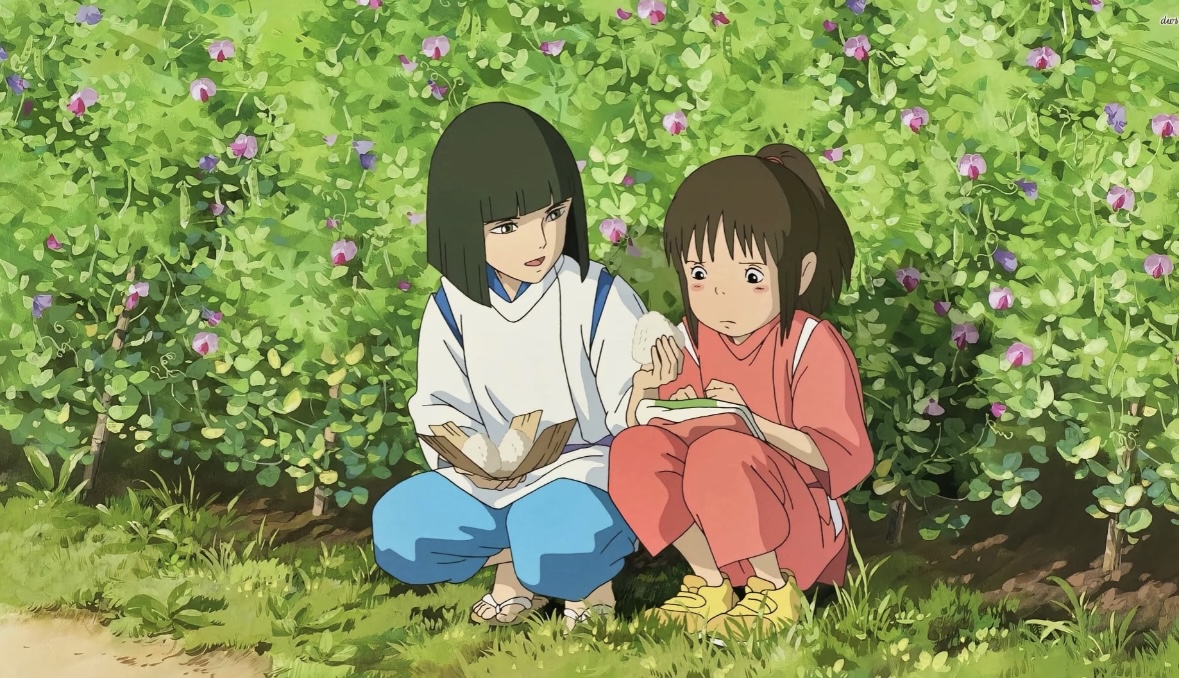
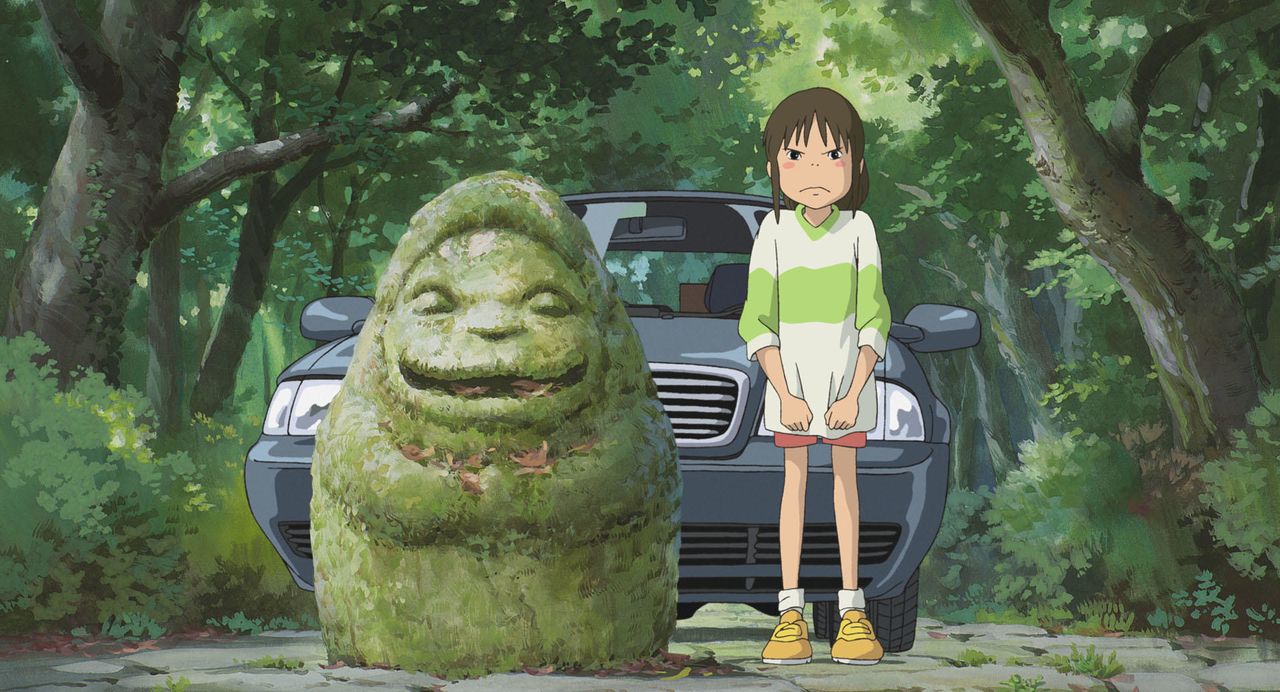
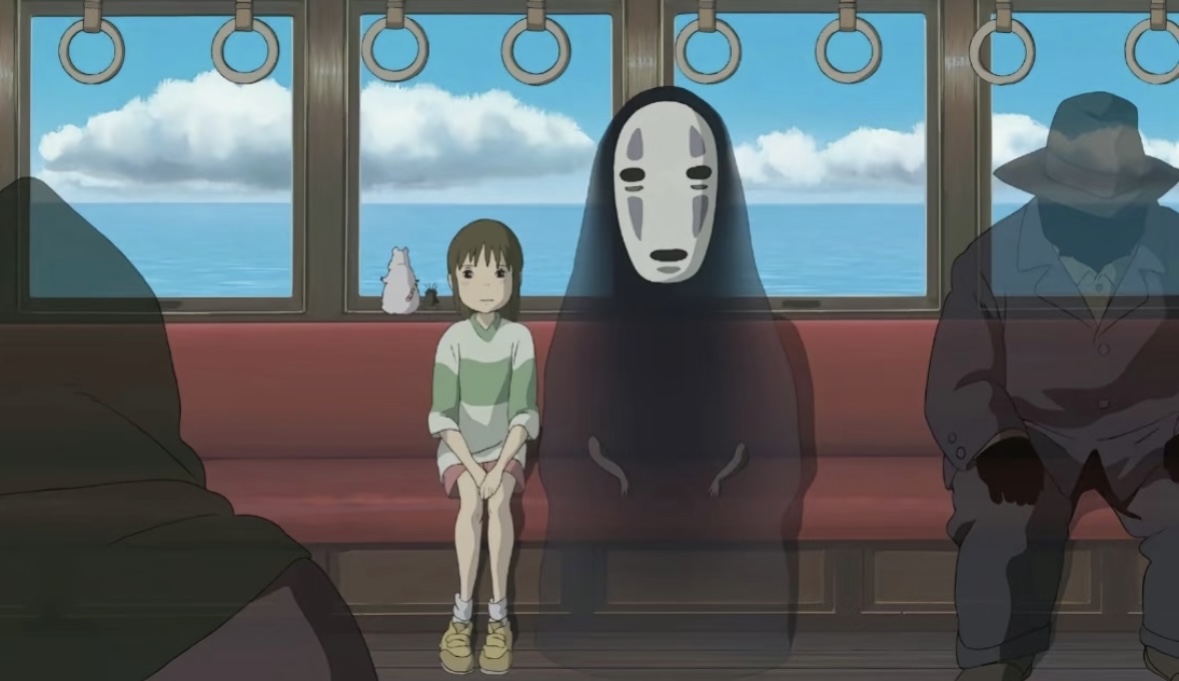
“Wringing my hands in my lap”
Chihiro makes this gesture many times in the film, especially in the beginning, in moments when she feels vulnerable and fearful in the face of the unknown.
But the ending is hopeful. She remembers Haku’s name — and her own. By the time she leaves the spirit world, she is no longer the timid little girl she once was.
Miyazaki seems to portray Chihiro’s journey as a metaphor for the search for one’s authentic self. It is the collision between idealism and reality: in the spirit world, Chihiro has to work, eat, and earn money — but she must also never forget who she is.
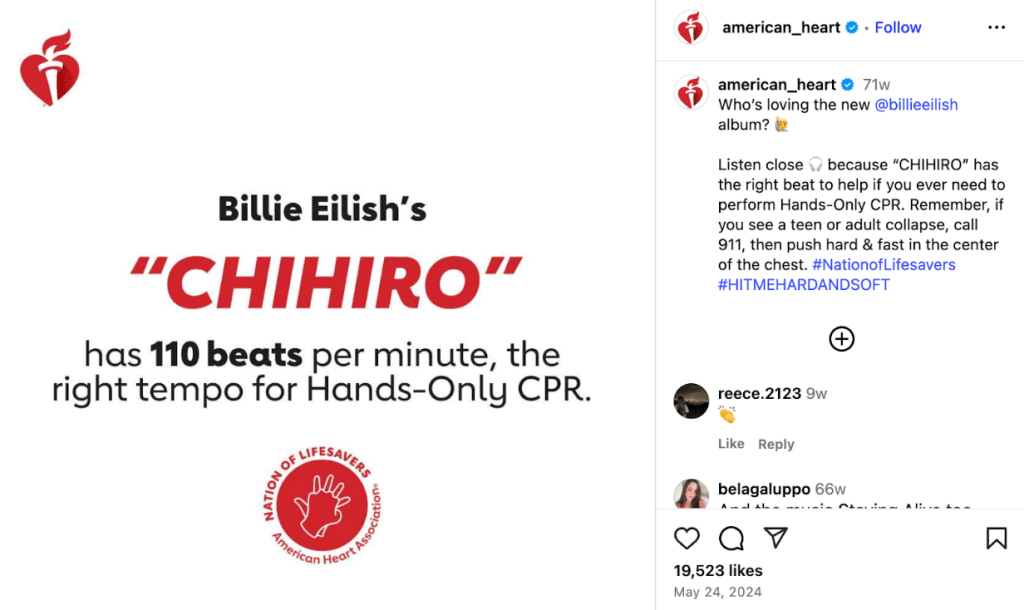
What’s interesting is that when I talk about CHIHIRO as a song about AUTHENTIC SELF, in Chinese it literally means “the original heart” — the truest, most uncorrupted part of oneself. Even the American Heart Association once shared a post on Instagram echoing this idea:
What Are We Really Singing When We Sing Together?
I don’t want to overinterpret the lyrics or try to pin down Billie’s intentions — after all, everyone connects to music through their own experiences and finds their own meaning within it.
But when I was at the concert, and the opening notes of CHIHIRO began to play, the entire crowd — faces young and full of energy — erupted with excitement.
The song — there’s no neat narrative or tidy emotional conclusion. Instead, it unfolds as a series of fragmented, introspective questions, hesitations, and moments of quiet sadness. Accompanied by pulsing bass and echoing synths, the rhythm seems to synchronize with the beating of your heart, releasing feelings of insecurity, uncertainty, and the ongoing search for meaning — all the tangled emotions we encounter while growing up. And when thousands of voices sing those same questions together in the same space, that loneliness, confusion, and disorientation transform into something else — something shared, understood, and collectively held.
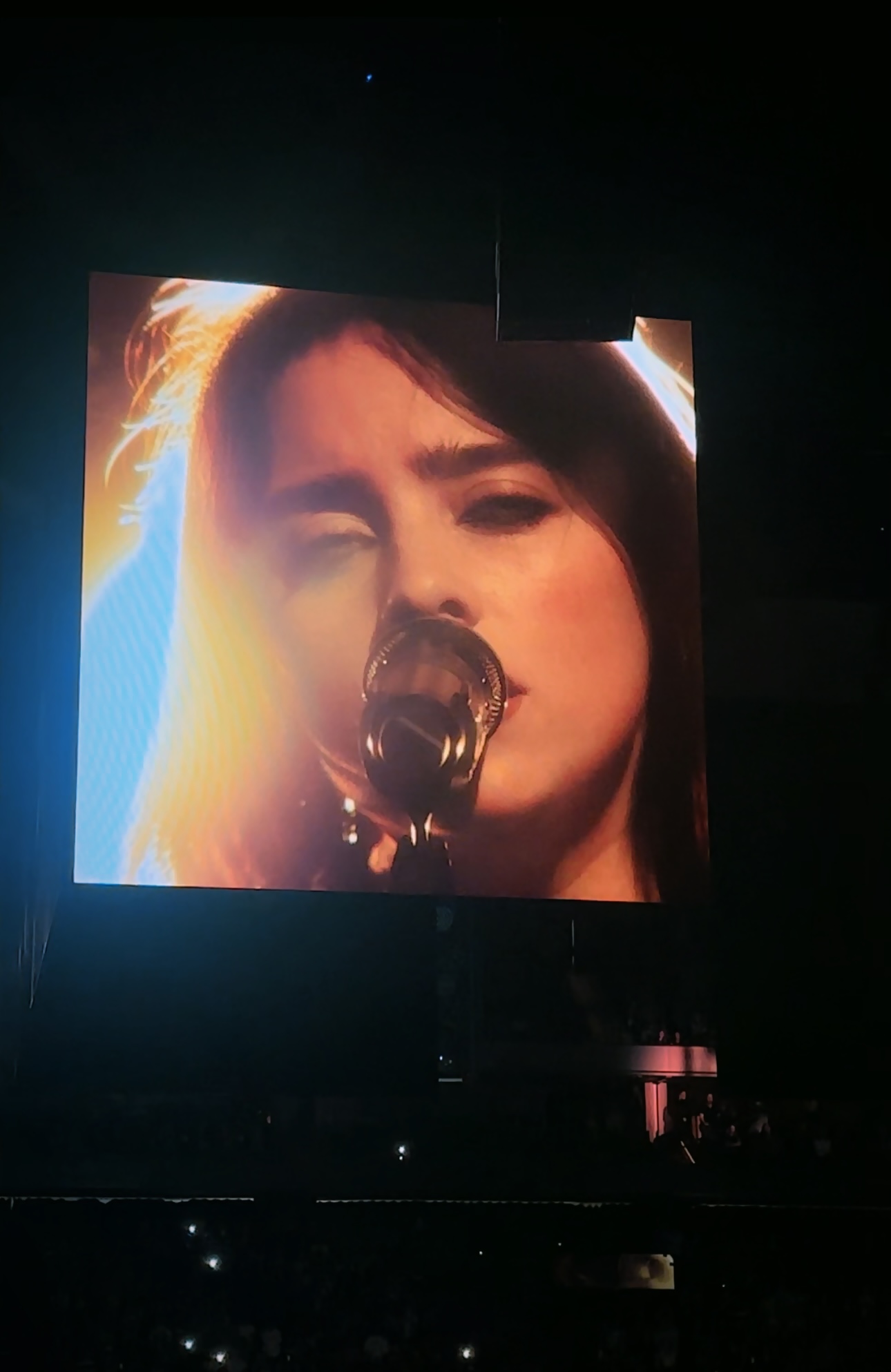

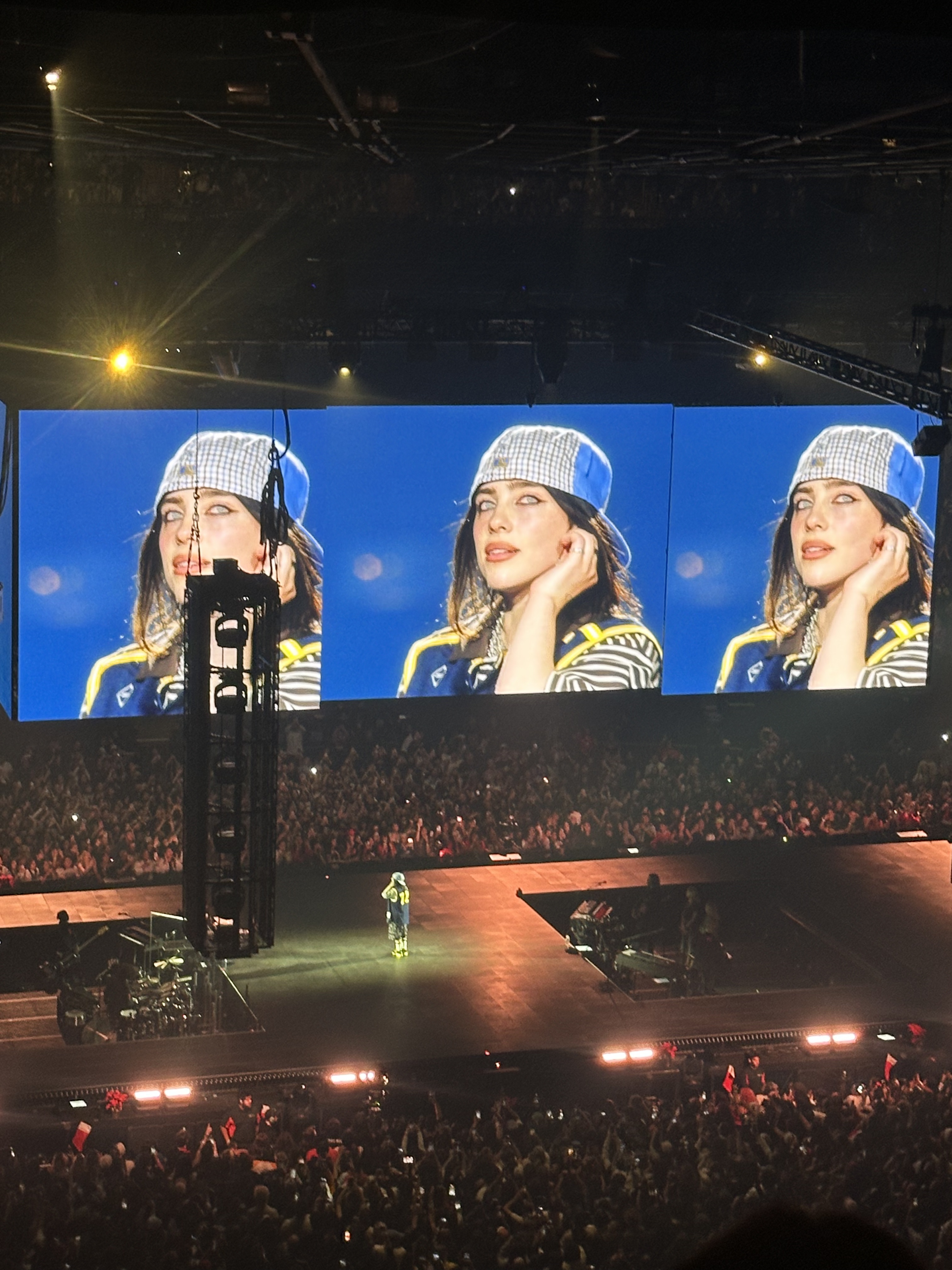

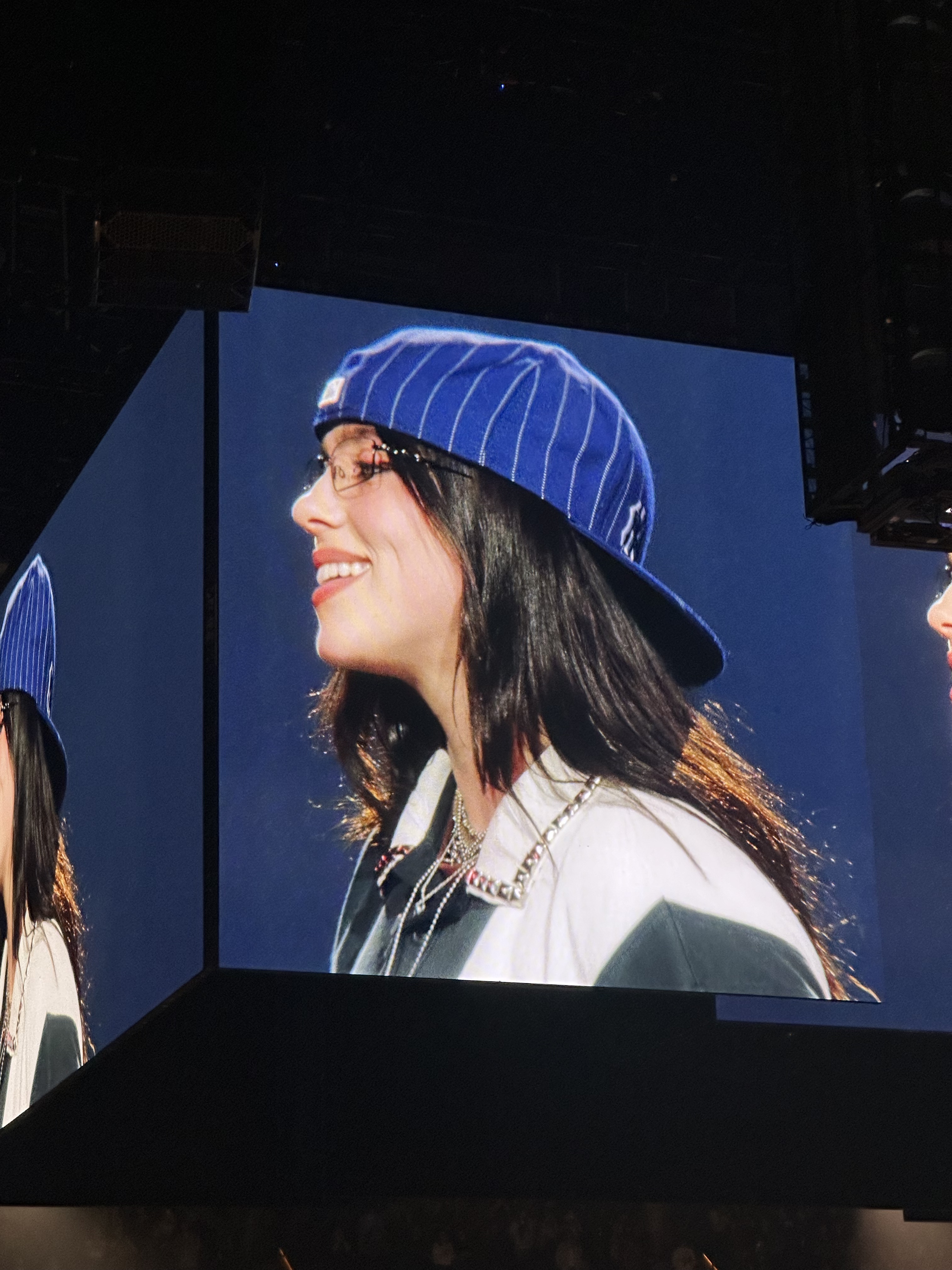
Neither Chihiro’s story nor Billie’s ends with “total resolution” or a “perfect answer.” At the end of Spirited Away, Chihiro returns to the real world with an uncertain path ahead. In the final verse of Chihiro, the singer is still asking questions, still doubting, still searching. The journey of “remembering your authentic self” is never a one-time event — it’s something we do again and again.
Some might say that Billie’s music, or Gen Z pop in general, has become increasingly inward-looking — deeply personal, self-reflective, even introspective to the point of seeming detached from any grand social narrative. But perhaps that is precisely the point. Art and literature have always mirrored the times in which they’re created. And in an era of information overload, shifting identities, and constant uncertainty, the self itself has become one of the most complex and urgent subjects we can explore.
By now, I hope you’ve listened to this song. What about you? What does this song remind you of?


 Layla Yan
Leave a reply to Linlin Shi Cancel reply